Documenting the scene is one of the most important parts of the crime scene protocol. One must make sketches as well as take photographs of the crime scene area as well as adding the location of evidence to the sketch.
Monday, May 3, 2010
The Interviewing Protocol
Sunday, May 2, 2010
Crime Scene Protocol
Before evidence is collected at a crime scene, there is protocol Investigators must follow. Once the investigator in charge of the crime scene arrives, she should conduct a scene assessment and conduct a scene walkthrough and initial documentation (Knight). The crime scene protocol consists of an interview, examination and documentation of the crime scene, then processing the evidence.
Tuesday, April 27, 2010
Biology Unit
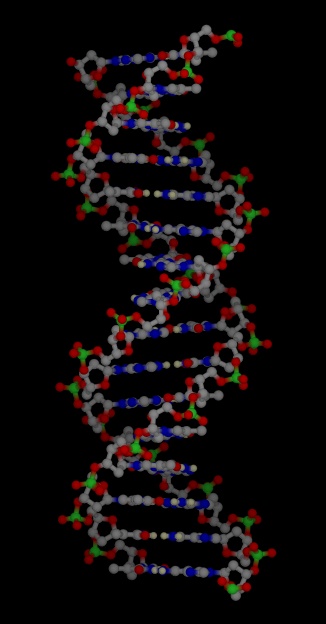
Lastly is the most important biology unit, used to analyze body fluids, DNA, blood factors, hair, fibers, and plant life using biology, biochemistry and microbiology (Delich 3). A very interesting scientist within this unit is a serologist. A serologist studies blood groups and other fluids for classification purposes subsequent to a crime (Kurland 22). Some larger crime laboratories may have units specializing in only photography, toxicology, latent fingerprints, and arson (Delich 3).
Monday, April 26, 2010
Document Analysis Unit
Another well known crime lab is the document analysis unit. This unit is very familiar with ransom notes. The document analysis unit is usually called upon to examine handwriting, typewriting, word processing and computer applications as well as paper and ink (Delich 3). The special method within this unit is called forensic linguistics. Linguistics is used to review the content of communication to identify a speaker and indicate the speaker’s aim. With this special type of document analysis one can determine whether one or more unusual communications are from the same individual (Kurland 22).
Firearm/Ballistics Unit
A firearm unit is used to examine tool marks, weapons, firearms, and bullets (Delich 3). In the firearm unit there are ballistic specialists, they deal with the effects of projectiles, behavior, motion, and most often fire arms and bullets (Kurland 22). The firearms/ballistics unit has become very popular dealing with the infinite crime growth.
Subscribe to:
Posts (Atom)