Before evidence is collected at a crime scene, there is protocol Investigators must follow. Once the investigator in charge of the crime scene arrives, she should conduct a scene assessment and conduct a scene walkthrough and initial documentation (Knight). The crime scene protocol consists of an interview, examination and documentation of the crime scene, then processing the evidence.
Sunday, May 2, 2010
Crime Scene Protocol
Before evidence is collected at a crime scene, there is protocol Investigators must follow. Once the investigator in charge of the crime scene arrives, she should conduct a scene assessment and conduct a scene walkthrough and initial documentation (Knight). The crime scene protocol consists of an interview, examination and documentation of the crime scene, then processing the evidence.
Tuesday, April 27, 2010
Biology Unit
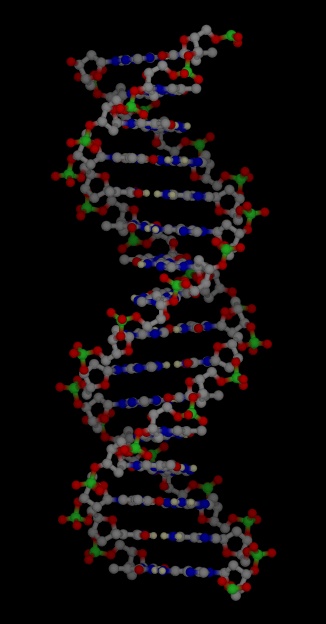
Lastly is the most important biology unit, used to analyze body fluids, DNA, blood factors, hair, fibers, and plant life using biology, biochemistry and microbiology (Delich 3). A very interesting scientist within this unit is a serologist. A serologist studies blood groups and other fluids for classification purposes subsequent to a crime (Kurland 22). Some larger crime laboratories may have units specializing in only photography, toxicology, latent fingerprints, and arson (Delich 3).
Monday, April 26, 2010
Document Analysis Unit
Another well known crime lab is the document analysis unit. This unit is very familiar with ransom notes. The document analysis unit is usually called upon to examine handwriting, typewriting, word processing and computer applications as well as paper and ink (Delich 3). The special method within this unit is called forensic linguistics. Linguistics is used to review the content of communication to identify a speaker and indicate the speaker’s aim. With this special type of document analysis one can determine whether one or more unusual communications are from the same individual (Kurland 22).
Firearm/Ballistics Unit
A firearm unit is used to examine tool marks, weapons, firearms, and bullets (Delich 3). In the firearm unit there are ballistic specialists, they deal with the effects of projectiles, behavior, motion, and most often fire arms and bullets (Kurland 22). The firearms/ballistics unit has become very popular dealing with the infinite crime growth.
Sunday, April 18, 2010
Physical Science Unit
Wednesday, April 14, 2010
Division of Crime Laboratories
The division of crime laboratories became a very important part in forensics over the past few years. Crime laboratories can be found at the federal, state and or local level. The FBI maintains the largest crime laboratory in the world through the Department of Justice. Whatever can not be done the police headquarters is sent to a specific or larger crime lab for further testing. The four major crime labs are the physical science, firearms/ballistics, document analysis, and biology unit. Within these specific crime lab divisions are scientists that specialize in certain fields of work: geologists, ballistics and linguistics specialists and serologists (Kurland 22).
Subscribe to:
Posts (Atom)